Navigating the Cancer Journey: Early Detection, Treatment Options, and Hopeful Survivor Stories
The journey through cancer can be daunting and filled with uncertainty. Yet, amid the storm, one thing shines bright: the power of early detection. Statistics reveal that when cancer is found at its earliest stages, the survival rates soar dramatically. Imagine a world where timely diagnosis can transform a malignant tumor into a manageable condition. This blog will delve deep into the secrets of early detection, exploring its pivotal role in the oncology landscape and inspiring personal experiences that underscore the importance of acting fast when it comes to suspicious symptoms.
What if you could unlock the key to a longer, healthier life? Early detection is that key! When it comes to cancer, catching it before it progresses can be a lifesaver. Think about it: many cancers, such as breast and colorectal cancer, have screening guidelines that, when followed, significantly aid in identifying promising tumor marks before they turn malignant. By recognizing the signs early, individuals empower themselves to take charge of their health, which can often lead to a smoother road filled with options like chemotherapy, radiation therapy, or even immunotherapy, tailored just for them.
Have you ever asked yourself, 'What changes can I make to improve my chances of early detection?' The narrative that surrounds cancer prevention is rich with actionable information that everyone can apply to their lives. Increasing your awareness through health education about symptoms related to different cancers can be life-changing. Moreover, lifestyle choices like nutrition for cancer, fitness for cancer patients, and embracing a healthy lifestyle can fortify your body and mind. Palliative care and symptom management strategies can also play a significant role in making the treatment process much more bearable, emphasizing that wellness programs extend far beyond conventional treatment.
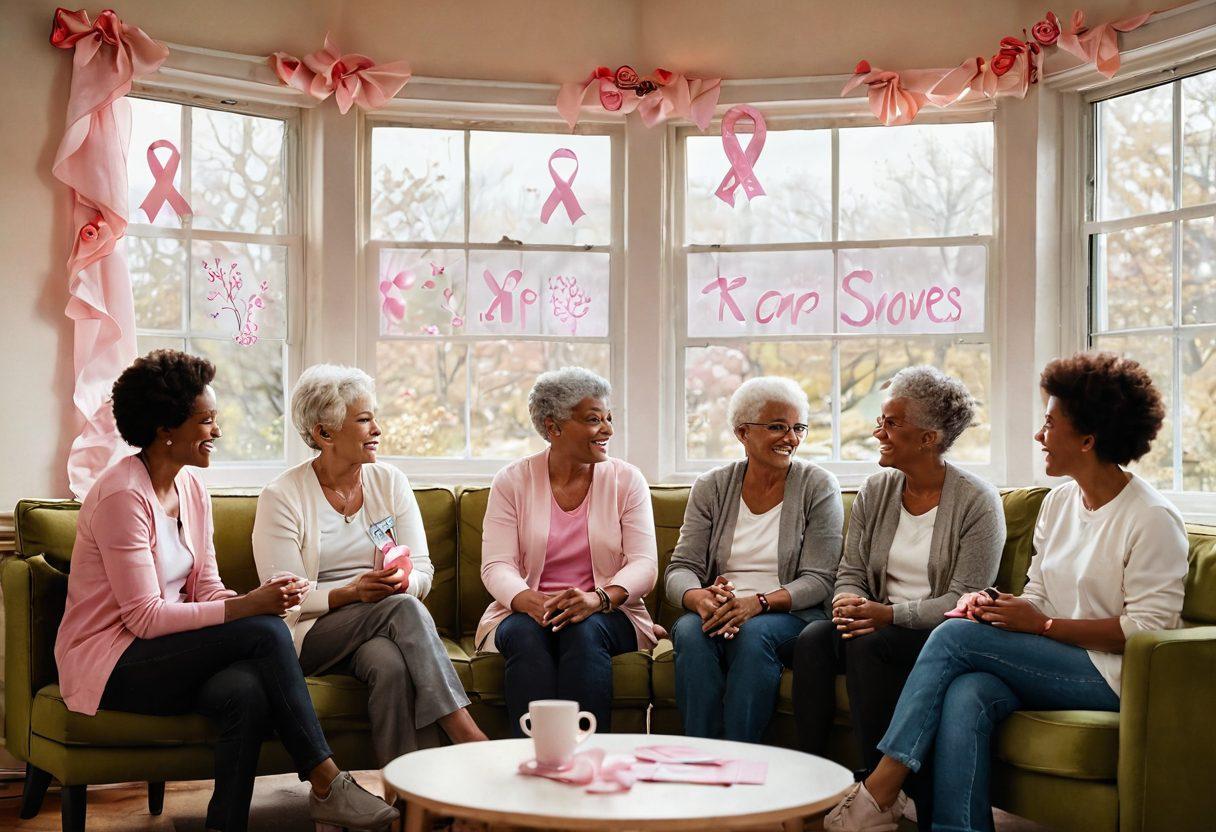
Support plays an undeniably crucial role in the cancer journey. Whether it’s joining support groups, engaging with patient advocacy efforts, or participating in clinical trials, many resources are available to patients. It's heartening to witness transformational stories of cancer survivors who share their personal experiences, inspiring hope and resilience in others facing similar challenges. Their truths serve as potent reminders that early detection along with a strong support network can lead to a narrative filled with hope rather than despair. Why feel alone when you can benefit from shared wisdom and strategies?
Lastly, understanding the side effects of treatments like chemotherapy or radiation therapy is essential in this journey. Integrative medicine approaches that include mental health support and holistic health measures help in tackling those side effects while promoting overall well-being. Engaging with wellness programs that focus on a healthy lifestyle can foster a proactive approach to survivorship. It’s about reclaiming your narrative and paving the way to a fulfilling life post-diagnosis. So, where do you start? Get involved, educate yourself, and remember that every step towards early detection is a step towards hope.
Exploring Innovative Treatment Options: From Chemotherapy to Immunotherapy and Beyond
Cancer is a word that bears an immense weight, one that many have come to know all too well. It can feel like an impending storm, suddenly uprooting the tranquility of life with the harsh reality of diagnosis and treatment. Yet, amid this tumultuous journey, there lies a burgeoning landscape of innovative treatment options waiting to be explored. From the traditional practices of chemotherapy and radiation therapy to the groundbreaking advancements in immunotherapy, the field of oncology holds a promise of hope for many battling malignant tumors or navigating the uncertainties of early detection. How do these options come into play, and what transformative stories reflect their impact?
Imagine being diagnosed with a tumor, and the very first thought that races through your mind is 'What now?' This daunting question begins the journey through a complex web of treatment options. Chemotherapy, often the first line of defense, is widely known for its potential to combat cancer cells. Accompanied by a myriad of side effects, it forces many patients to navigate the grueling process of symptom management while advocating for their own health. But is chemotherapy the only answer? What if a patient is dealing with a benign tumor, or what alternative paths exist if palliative care is the chosen route? Exploring these questions can illuminate paths not initially considered by patients and their families.
As science advances, so too does the landscape of cancer treatments. Immunotherapy emerges as a beacon of hope within oncology, specifically designed to boost the body’s immune response against malignant cells. This treatment is increasingly gaining recognition, particularly in discussions around cancer prevention and survivorship. Inspired by transformational stories from patients who’ve undergone various therapies, like immunotherapy or participation in clinical trials, we realize that each journey is unique, multifaceted, and filled with essential lessons. Patient advocacy raises the question: How equipped are we to support one another through these harrowing experiences, particularly in communities built around cancer blogs and support groups?
Moreover, understanding that wellness extends beyond just the medical is crucial. Holistic health and integrative medicine offer valuable insights into how nutrition for cancer patients, mental health support, and fitness for cancer patients can dramatically enhance the overall quality of life. Healthy lifestyle choices can often serve as an adjunct to conventional treatments, helping to alleviate side effects and improve recovery outcomes. Have you ever thought about how the smallest changes in everyday choices could contribute to resilience during treatment? It's time to dive deep into health education and embrace wellness programs that can make a meaningful difference during cancer care.
In conclusion, as we explore the vast terrain of innovative treatment options, remember that this journey, although challenging, can foster a more robust community of support and shared experiences. By keeping the conversation alive about the options available — from chemotherapy to radiation therapy and immunotherapy and beyond — we empower ourselves and others in the fight against cancer. We must encourage open dialogue within our circles to navigate our struggles and celebrate our victories, to ensure that no one traverses this journey alone. Every story shared is a testimony of resilience; let’s make them the foundation upon which others can build their paths toward hope.
Inspiring Survivor Stories: Transformational Journeys of Hope and Resilience in Cancer Care
In the vast landscape of oncology, where the words 'malignant' and 'benign' often create fear and uncertainty, there lies a reservoir of hope encapsulated in the stories of survivors. These are not just tales of battling tumors but narratives filled with resilience and transformation that inspire us all. Each survivor's journey leads us down a path of discovery, showcasing the power of early detection and the varied treatment options, from chemotherapy to cutting-edge immunotherapy. Today, let's dive into these transformative journeys, and perhaps find answers to questions we've always wondered: How can we turn a dire diagnosis into a testament of strength?
Meet Sarah, a vivacious mother of two, whose life took a sharp turn when she was diagnosed with breast cancer at just 34. 'It felt like the ground was pulled from under me,' Sarah recalls. Community support groups played a crucial role in her journey, amplifying her voice in the realm of patient advocacy. The camaraderie she found in these safe spaces lit a fire within her to become a beacon for others facing similar battles. Her experience underscores an important health tip: fostering connections helps not only in managing the side effects of treatment but also in enhancing overall mental health.
Then there’s Tom, a former marathon runner whose world came crashing down when he learned about his colon cancer. He learned early on that symptom management was just as vital as treatment itself. Through diet changes and wellness programs focusing on nutrition for cancer, Tom found a new zeal for life. 'I realized that a healthy lifestyle can exist even during treatment,' he shares. His journey reminds us that survivorship is not merely about overcoming cancer but about reclaiming our lives in the process. What are we willing to change to ensure our longevity and quality of life?
Lastly, we have Maria, whose fight against ovarian cancer led her to explore the realm of integrative medicine. While navigating through palliative care, she discovered the profound benefits of holistic health practices like yoga and meditation. 'I never thought I’d find peace in something as simple as breathing,' she reflects. Maria’s transformational story serves as a poignant reminder that we can harness our own inner strength, regardless of the challenges we face. How can we incorporate such practices into our daily lives to support not just ourselves but also those in our circles who may be facing similar challenges?
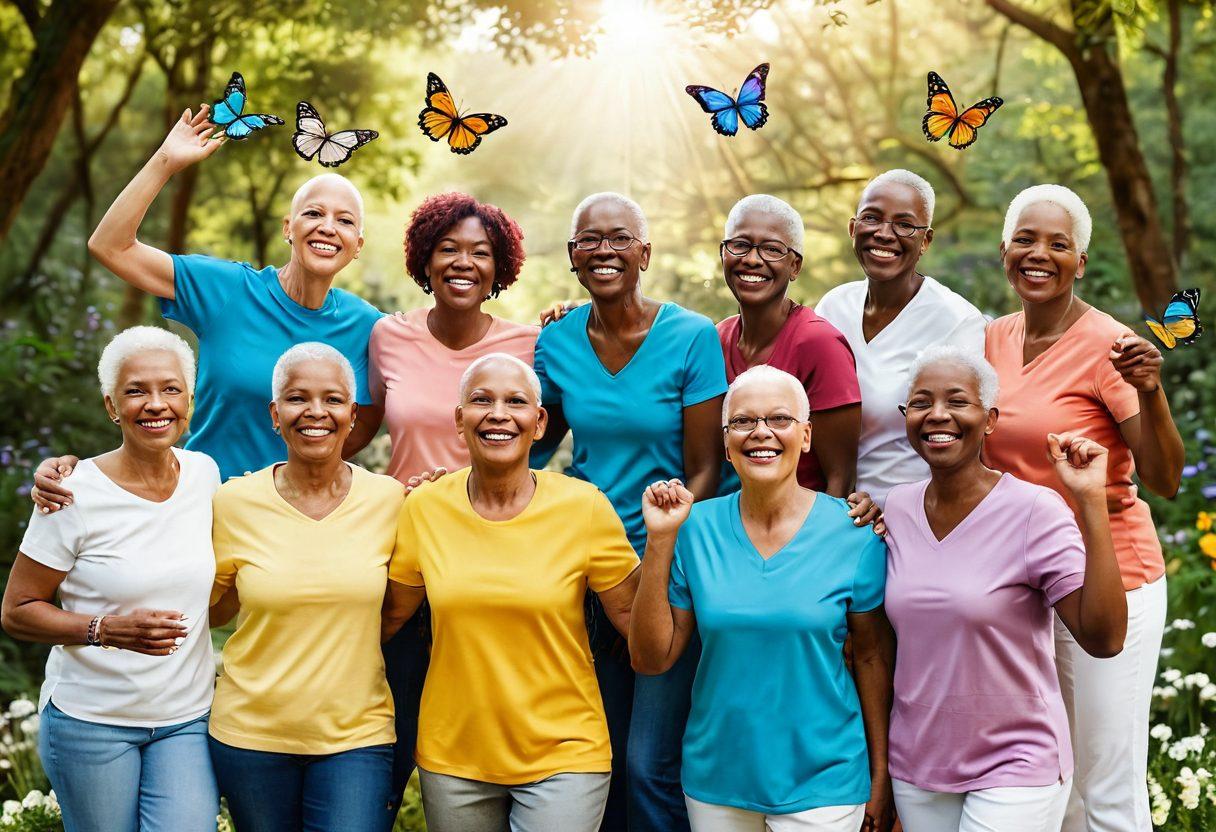
These stories echo a universal message: in the face of adversity, there is a tapestry of hope woven through community, personal change, and advocacy. As we reflect on these journeys, let us remember that healing goes beyond physical treatment; it also embraces mental and emotional well-being, spurred on by education and support. If you or someone you love is facing cancer, seek out resources and guidance from survivor stories, health tips, and practical advice available through cancer blogs and support networks. Together, let's turn the battle into a journey of hope, resilience, and a brighter future.